For years, I built my career like many tourism entrepreneurs in Puerto Rico: measuring success by occupancy, average daily rates, and return on investment. The formula was clear—identify properties with potential, optimize them, automate them, and make them profitable. And it worked. I scaled a short-term rental business from a single apartment to managing millions in tourism assets.
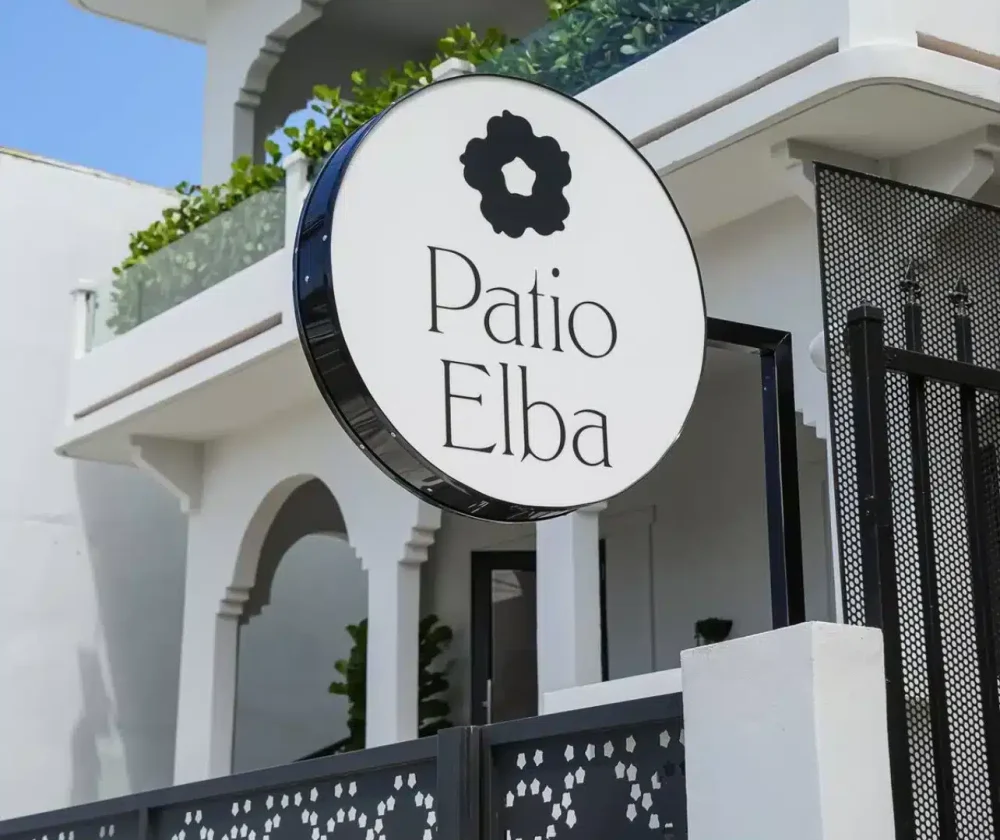
But it wasn’t until I invested in a small hotel in Santurce—Patio Elba—that I began asking myself uncomfortable questions. Who is this development really serving? What impact does it have on the surrounding community? Am I building a legacy—or just a spreadsheet full of strong numbers?
Running a boutique hotel exposed me to deeper realities: employees who live just blocks away but had never stepped inside a hotel, neighbors afraid of being displaced, artisans invisible to the average tourist. And it also revealed something powerful: tourism, when done with intention, can be a platform to dignify, educate, and transform.
What began as an investment project became a mirror. I realized it’s not enough to “create jobs” if those jobs don’t offer growth opportunities. It’s not enough to “revitalize” if the community doesn’t feel part of the process. It’s not enough to fill rooms if we’re not creating memories or authentic connections.
Today, my definition of success has changed. It’s no longer just about financial returns—it’s about social returns. About building spaces where visitors don’t just consume, they connect. Where employees don’t just work, they grow. Where the neighborhood doesn’t just watch, it takes part.
Puerto Rico has the opportunity to lead a new model of tourism—one that understands that the visitor experience begins with the dignity of the host. If we can align investment with purpose, profitability with impact, and growth with inclusion, then we will have done something greater than ourselves.
Because the true legacy of a tourism entrepreneur isn’t measured in keys handed over, but in doors opened.